2018 Northern Rhône Vintage
A very hot, dry year in the north gave a ripe, plentiful crop and a quick harvest, with lush wines and a watchful eye on acidity.
2018 was a very hot and dry year in the Northern Rhone, with a ripe and plentiful crop. A wet June brought mildew pressure valley-wide, with the south bearing the brunt, while the north ripened quickly and evenly and had a shorter harvest. The appellation leaders in Hermitage, Crozes-Hermitage and Condrieu were enthusiastic, though Inter Rhone noted potentially low acidity and Decanter found some wines lacking acidity.
Take 2018 Northern Rhône Vintage into the app. Flashcards, trivia and label lookup.
Open the appGrowing season
2018 was a very hot and dry year in the Northern Rhone, one that left the crop ripe and plentiful. A mild spring followed a wet winter, which Michel Chapoutier said gave growers the chance to build back the soil's water reserve. A bit of rain nicked the flowering, but fruit set was healthy overall. A particularly wet June then brought unusually high mildew pressure across the valley, with the Southern Rhone bearing the brunt of it. At the end of June the weather drastically changed, with solid sunshine. Jean-Louis Chave started picking on 3 September with white Hermitage, followed by red St.-Joseph and red Hermitage, and the weather during the harvest was particularly hot, so good cooling equipment was needed to prevent early and quick fermentations. The north ripened quickly and evenly and had a shorter harvest period than the south, and all of Guigal's northern appellations were harvested in 22 days. Across the whole Rhone Valley, September weather was excellent, fairly cool and sunny with low humidity and an appearance from the Mistral. Yields in the south were significantly down, while early valley-wide estimates put the harvest at the lower end of the five-year average but above 2017.
- A very hot and dry year in the Northern Rhone, with a ripe and plentiful crop
- A wet June brought high mildew pressure across the valley, with the Southern Rhone bearing the brunt
- Jean-Louis Chave began picking on 3 September with white Hermitage, then red St.-Joseph and red Hermitage
- The north ripened quickly and evenly; all of Guigal's northern appellations were harvested in 22 days
- Condrieu co-president Christophe Pichon: "Quality and quantity! This is THE great vintage."
- Decanter pointed to Crozes-Hermitage and Saint-Joseph for value reds and to Condrieu and Saint-Peray for value whites
- Inter Rhone noted potentially low acidity in the northern crus; Decanter found some wines lacked acidity
Northern Appellations
In Hermitage, co-president Jacques Desvernois said 2018 looked set to be an outstanding vintage, with "good structure on the palate and luscious, molten textures". In Crozes-Hermitage, co-president Yann Chave was pleasantly surprised by the balance, "quite astonishing for such a warm year", and said good yields had helped avoid over-concentration while the wines kept their classic blackcurrant and raspberry flavours. In Condrieu, co-president Christophe Pichon called it "THE great vintage", with good acidity and excellent freshness, and summed it up as "Quality and quantity!" For value, Decanter pointed to Crozes-Hermitage and Saint-Joseph for reds and to Condrieu and Saint-Peray for whites.
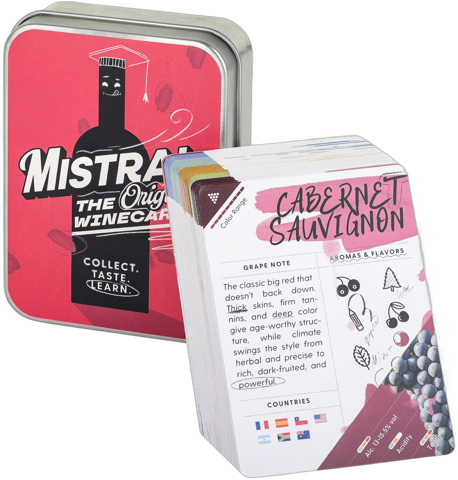
The glasses, tools, and cards I stand behind.
A short list. Nothing I would not recommend to a friend.
Browse the WineShopOpen one bottle, taste it for weeks.
The Coravin Pivot+ is the simpler Coravin, for wines you will finish inside a few weeks, which is how I taste a producer across vintages without finishing every bottle. It takes five seconds to use.$199.
See the Pivot+Style and Drinking
Initial tastings of the northern crus promised wines of remarkable quality, with dense, velvety tannins and good sweetness. Inter Rhone found the whites showed a tremendous range of aromas and flavours, and the Syrahs juicy and intensely coloured with a pleasing tannic structure, despite potentially low acidity. Decanter's Matt Walls found many producers made balanced, lush wines, some with incredible depth and focus, but noted wines across the region that lacked acidity or suffered from high alcohol. Chave reported his wines black in color so far, with malolactic a key factor as the pHs were a bit high.
- Northern Rhone 2018: very hot and dry, with a ripe and plentiful crop.
- A wet June brought high mildew pressure valley-wide, with the Southern Rhone bearing the brunt; yields differed between north and south, with the south's significantly down.
- The north ripened quickly and evenly; Chave started on 3 September with white Hermitage, and Guigal picked all its northern appellations in 22 days.
- Watch point: low acidity and high alcohol in some wines (Decanter), potentially low acidity (Inter Rhone), pHs a bit high (Chave).
- Value: Crozes-Hermitage and Saint-Joseph reds, Condrieu and Saint-Peray whites (Decanter).
Take your wine study further
Flashcards, blind tastings, and a tasting journal in the Wine with Seth app.
Try the app free